
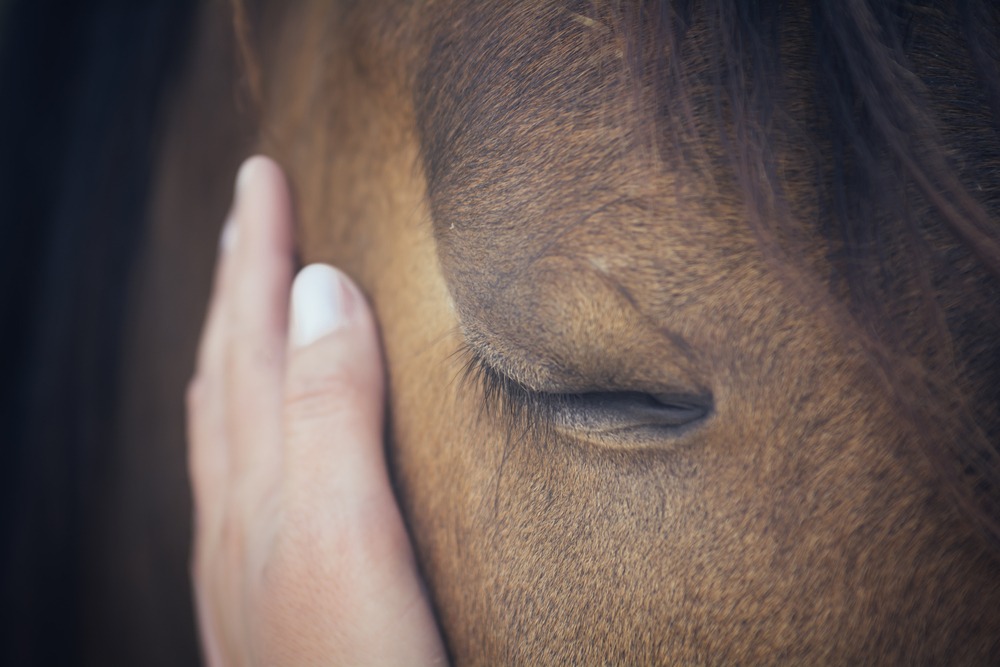
Asking forgiveness from our animals assumes we did something wrong, doesn’t it? Boy, that’s a vulnerable spot to be in.
Do animals have the right to expect acceptable behavior from humans?
I don’t see much asking forgiveness in the human-to-human department. However, we’re now discussing human-to-non-human forgiveness, which is even more complex. Some of us believe our animals deserve or have the right to kind behavior from us humans.
Does asking for forgiveness matter?
Then we go a bit further to decide whether we might need to apologize or make amends when we haven’t met that standard.
Animals feel stuff
Animals clearly have consciousness, desires and emotions. Many have families they love and care for.
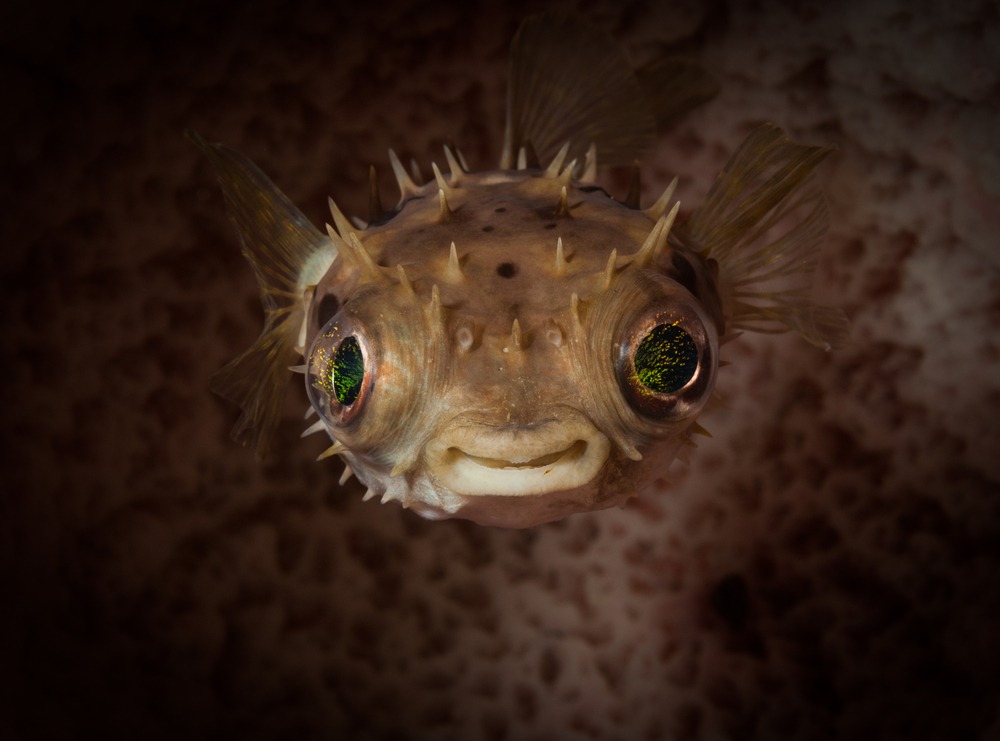
There’s a recent scientific study out that determined fish feel pain.
Wow. Scientists had to design a study to confirm that even fish feel pain. Guess that’s ‘cuz fish aren’t cuddly, so we had to make sure. And I hate to think how they figured out fish felt pain. I doubt they asked an animal communicator to interview a statistically significant number of fish and report back.
If you understand that animals have their own consciousness, then there’s a reason to treat them with respect and kindness. And learn to accept their peculiarities, personalities, and preferences. Because what you do affects their quality of their life.
We could expand this thinking to all animals, and many of us do. But let’s start locally – with our own animals.
Why would we need to ask for forgiveness? We love our animals!
Sometimes our animals rub us the wrong way
Most animals we live with rub us the wrong way occasionally. We get frustrated, and angry with them.
We feel embarrassed because their behaviors don’t meet human standards—dogs sniff butts on a regular basis, and even humans’ privates, for goodness’ sakes. They bark. And they bark until we yell at them to stop. Then they bark some more.
Cats enjoy the thrill of clawing our favorite sofa, sometimes right in front of us!
Our reactions are not always stellar
Reactions might include yelling, name calling, swatting, hitting, grabbing, kicking, yanking, locking in small spaces for too long, refusing to feed them or give them affection. Some of us have done these things or thought about doing them.
For instance, many years ago, I bought a collar that would shock my dog, Eddy, when she barked. I was tired of her barking and they said it would stop her.
My son Pat tried the collar on himself. (If you know Pat, you’re not surprised at this!)
He yelled loud to set it off. Then he swore because it REALLY hurt. I realized if I wouldn’t use it on my kids, I probably shouldn’t use it on Eddy. Didn’t feel right.
Or there’s neglect of their physical or emotional needs
We sometimes don’t understand the size of the responsibility we’ve taken on when we bring an animal into our household. We don’t notice what they need, even though who else is going to? It’s on our shoulders.
When we realize we could have done better, we can take stock.
Remorse versus guilt
Guilt
I’ve been guilty of “wallowing in guilt” over actions that didn’t live up to my standards of care for my pets. The trouble is, humans start believing wallowing in guilt is enough.
There’s a strange belief that if we punish ourselves emotionally with the guilt, if we bathe in the guilt, we’ve fixed the problem.
No, it’s self-centered ego, pure and simple.
Remorse
Remorse is centered more on the wronged soul, not us. It leads to useful thoughts about
- How can I make this situation better?
- What help do I need to sort things out?
- What might my animal need from me?
How do we process our remorse?
First, decide if you want to do better by your animal. Ask yourself questions like this and formulate an action plan.
- What’s the problem exactly?
- How does it manifest?
- How much is me and how much is my animal?
- Who can we enlist to help us with it?
Don’t forget to check your attitude and emotions
Do you need more patience? Is there a way of lightening up over behaviors that aren’t life threatening?
If you’re stuck in anger and frustration, remember what you find delightful about them. it can help you can start feeling the love and affection again. You can write them a love letter or just tell them out loud.
Practice bringing that love and affection into your life more often.
Yes, apologize
Apologize out loud to them when you’re ready. Tell them how you think you screwed up, what you’re going to change and how much you love them. It’s good for our souls.
And it’s fantastic for our animal’s emotional health. Because they’re already energetically in tune with our emotions and energy. They “get” our sincerity and love.
Has your animal passed on?
It’s never too late to apologize since their spirit survives death. Tell them how you’re doing things differently with your current animals. Ask them to be a positive force in your life.
Am I being “Holier than thou”?
Nope. I’ve had some tough times in the past. I still struggle with my animals’ behavior and my reactions. Read Not the perfect animal guardian? Me Neither!
Need to have a conversation with your animal?
We are human, and I feel like our animals know that, especially when we screw up. I apologize to my pigs when I forget to refill their hay, and I know they understand me. And Emma – she is such an unconditionally loving animal that I know she gives me instant forgiveness. Great blog post!
I always tell my fur babies I’m sorry if I’m late and they are waiting to be fed, or too busy to pay attention to them when they crawl on my desk and sit between me and my keyboard! I can remember times when I was feeling down or sick and they curled up with me as if they knew I needed love and attention. Sometimes I think they are more intuitive than we are.
There’s a unique bond between us and our pets. Mine, no matter my mood, always seek to comfort me. My dogs’ unconditional love is what has gotten me through the hardest of moments. They’ve taught me how to be ‘in the moment’, forgiveness, tolerance and (of course) what love truly is – unconditional.